
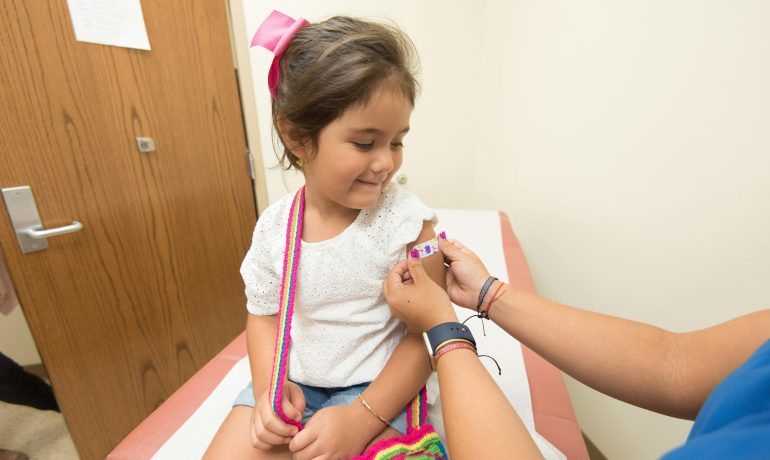
With the national conversation about vaccine safety, including the recent decision regarding the Hepatitis B vaccine, we want to share updated, evidence-based information about routine childhood and adolescent vaccinations. Decades of data clearly show that vaccines are one of the safest and most effective tools we have to protect children and communities.
Do we need vaccines? Absolutely!
- Routine childhood vaccinations prevent over 4 million deaths globally each year (WHO).
In the U.S., vaccines have reduced:
- Measles cases by more than 99%. Before the vaccine was introduced in 1971, measles caused around 500 deaths, 48,000 hospitalizations, and 1,000 cases of encephalitis (swelling of the brain) in the U.S.
- Pertussis-related deaths by over 90%. Before the introduction of the pertussis vaccine in the 1940s, the United States saw around 9,000 pertussis-related deaths annually, with infant mortality rates as high as 4.5 deaths per 1,000 cases.
- Invasive pneumococcal disease by 90%. Before the Prevnar vaccine was introduced in 2000, an estimated 17,000 cases of invasive disease occurred each year, of which 13,000 were bacteremia and 700 were meningitis. An estimated 200 children died every year as a result of invasive pneumococcal disease.
- HPV infections by 90% in teenage girls within the first 10 years of the vaccine rollout. This has led to an 87% decrease in cervical cancer for women vaccinated at a young age compared to unvaccinated women.
- Hepatitis B infections by 99% in children and teens. Since 1991, when the CDC and AAP recommended hepatitis B vaccination for all newborns, starting the vaccine series at birth has been shown to reduce a person’s risk of liver cancer by 84% and death from liver disease by 70%.
Are vaccines safe? Yes!
- Vaccines are among the most thoroughly studied medical interventions.
- Vaccine development typically involves 10+ years of testing and evaluation before approval.
- The U.S. has two independent monitoring systems (VAERS and VSD) that continuously track vaccine safety. This comprehensive system allows us to track all events that happen to patients following vaccination and determine whether these events are caused by the vaccine.
- Vaccines do NOT cause autism. Multiple large-scale epidemiological studies across various countries, involving millions of children, have shown no correlation between the MMR vaccine, the overall number of vaccines, vaccine ingredients (such as thimerosal), and the development of autism spectrum disorder (ASD).
- The immune system encounters thousands of antigens daily; the entire vaccine schedule exposes children to fewer than 200 antigens—far below what the body easily and routinely manages.
Does your child need to be vaccinated? No question about it!
Main Street Pediatrics feels so strongly about the safety and importance of childhood vaccines, we require all our patients to receive the vaccines as required by the state of Maryland to enter daycare and school.
If your child is missing vaccines or you’re unsure what they may need next, we’re here to help. We can review your child’s immunization record and make sure they’re protected according to the AAP guidelines.
Thank you for partnering with us to keep children and our community safe. Your commitment to vaccination helps prevent outbreaks, protects vulnerable individuals, and supports long-term health.
Have a safe and healthy holiday season and New Year!